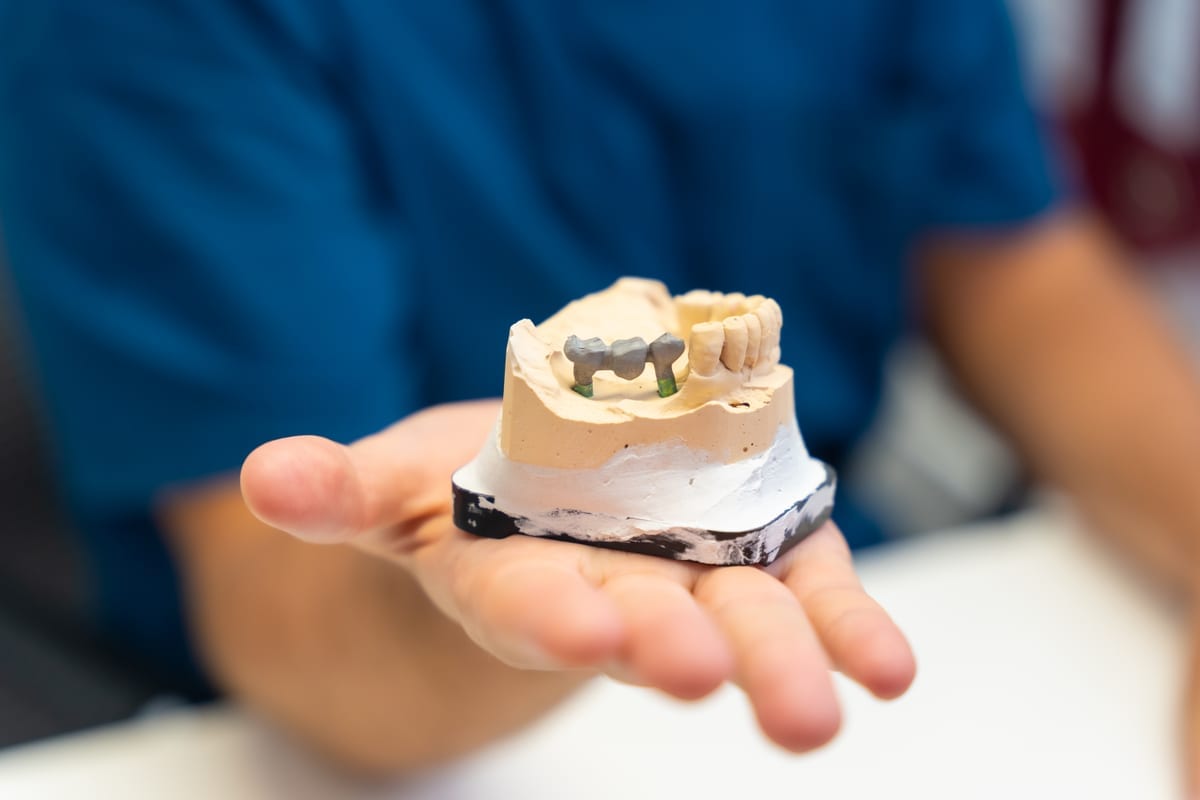
Getting a dental bridge is a big step toward restoring your smile and chewing function. But knowing what to eat after your dental bridge is just as important as the procedure itself. This complete recovery guide is designed specifically for Riverside patients who want a smooth, comfortable healing experience. Dr. Olivia Lares and the team at Berwyn Dental Connection are here to walk you through every stage of recovery.
Understanding Your Dental Bridge Recovery Timeline
Recovery after a dental bridge typically unfolds in stages. Most patients feel sensitivity and mild soreness for the first one to three days. By the end of the first week, discomfort usually fades significantly for most people.
Your bridge needs time to fully settle and bond in place. The permanent cement hardens over the first 24 to 48 hours. During this window, your bridge is most vulnerable to shifting or damage from hard foods.
Full adjustment to your new bridge can take two to four weeks. Your bite may feel slightly different at first. That sensation is completely normal and typically resolves on its own as you adapt.
What to Eat After Your Dental Bridge: A Riverside Patient’s Food Guide
Choosing the right foods during recovery makes a real difference in how quickly you heal. Soft, easy-to-chew foods protect your bridge and reduce strain on surrounding teeth. They also minimize discomfort while your gums adjust to the new restoration.
Here are the best foods to enjoy during your first week of recovery:
- Yogurt and soft cheeses
- Scrambled eggs or soft-boiled eggs
- Mashed potatoes and soft cooked vegetables
- Oatmeal, cream of wheat, and other warm cereals
- Smoothies and protein shakes (no straw in the first 24 hours)
- Soft fish like tilapia or salmon
- Bananas, avocados, and other naturally soft fruits
- Soup broth and pureed soups
These options keep your nutrition up without putting stress on your new bridge. Staying well-nourished also supports faster tissue healing around the abutment teeth.
Foods to Avoid After Getting a Dental Bridge
Certain foods can loosen, crack, or dislodge your bridge during recovery. Avoiding them protects your investment and prevents unnecessary pain. This is especially important in the first two weeks after placement.
Stay away from these foods and habits after your dental bridge procedure:
- Hard candies, nuts, and raw carrots
- Sticky foods like caramel, taffy, and chewing gum
- Crusty bread, bagels, and hard rolls
- Chewy meats like steak or jerky
- Popcorn and ice chewing
- Extremely hot or cold foods and beverages
Temperature extremes can trigger sensitivity around your crowned abutment teeth. If cold water causes sharp pain that lingers, contact our office right away. That could signal an issue needing attention.
Managing Discomfort and Caring for Your Bridge at Home
Some soreness after a dental bridge procedure is completely normal. Over-the-counter pain relievers like ibuprofen or acetaminophen work well for most patients. Always follow the dosage instructions on the packaging.
Rinsing with warm salt water two to three times per day helps reduce gum inflammation. Use about half a teaspoon of salt in eight ounces of warm water. This simple rinse promotes healing and keeps the area clean.
Brushing and flossing remain essential during recovery. Use a soft-bristled toothbrush near the bridge and surrounding teeth. Special floss threaders or water flossers make it easier to clean under the bridge properly.
If you want to learn more dental care terms and techniques, our Dental Dictionary is a helpful resource for patients of all ages. You can also browse definitions starting with A to understand terms your dentist may use during your visit.
When to Call Berwyn Dental Connection After Your Bridge
Knowing when to call your dentist is an important part of your recovery. Most mild discomfort resolves within a week. However, some symptoms warrant a prompt call to our office.
Contact us if you experience any of the following:
- Pain that worsens after the first three days instead of improving
- Your bite feels significantly uneven or off-balance
- The bridge feels loose or shifts when you chew
- Persistent sharp sensitivity to hot or cold temperatures
- Swelling, redness, or discharge around the gum line
These signs may indicate that your bridge needs adjustment or that an underlying issue needs evaluation. Early attention always leads to better outcomes. Do not wait and hope symptoms resolve on their own.
Long-Term Care Tips for Your Dental Bridge
Once your initial recovery is complete, maintaining your bridge becomes a daily habit. Proper care extends the life of your bridge and protects the supporting teeth. Most well-maintained bridges last ten to fifteen years or longer.
Brush twice daily with a fluoride toothpaste. Clean under the bridge with a floss threader or interdental brush every day. Plaque buildup under the bridge can lead to decay on the abutment teeth over time.
Schedule regular checkups every six months with Dr. Lares. Routine cleanings remove hardened deposits that home care misses. Your dentist can also spot early warning signs before they become costly problems.
Riverside patients who follow these steps consistently enjoy beautiful, functional bridges for many years. Taking care of your bridge is truly an investment in your overall oral health.
Conclusion: Your Smile Deserves the Best Recovery
Understanding what to eat after your dental bridge is one of the most practical things you can do for a smooth recovery. Stick to soft foods, avoid sticky and hard textures, and keep up with gentle oral hygiene every day. The Berwyn Dental Connection team in Berwyn, IL proudly serves patients from Riverside and surrounding communities. Book Now to schedule your appointment with our team.
Frequently Asked Questions
How long does it take to feel normal after a dental bridge?
Most patients feel back to normal within one to two weeks. Mild sensitivity and gum soreness typically fade within the first few days. Your bite adjustment may take a few more weeks as you get used to the new restoration.
Can I eat normally right after my dental bridge is placed?
No. You should stick to soft foods for at least the first 24 to 48 hours after placement. This protects the bridge while the cement fully sets. Gradually reintroduce firmer foods as your comfort level improves over the first week.
What happens if my dental bridge feels loose?
A loose bridge needs prompt attention from your dentist. Do not try to reattach it yourself or continue eating with it feeling unstable. Contact Berwyn Dental Connection as soon as possible so Dr. Lares can evaluate and re-cement or adjust the bridge.
Is it normal to have pain under my dental bridge after the procedure?
Mild tenderness around the gum line is normal for the first few days. Pain that worsens or persists beyond one week is not typical and should be evaluated. It could indicate an issue with the bridge fit, the abutment teeth, or the surrounding gum tissue.
How do I clean under a dental bridge?
You can use a floss threader, a water flosser, or an interdental brush to clean under your bridge. Regular dental floss cannot reach this area without a threader. Cleaning under the bridge daily prevents plaque buildup that can lead to decay on the supporting teeth.