Getting a dental crown is a real investment in your smile. But your new crown: 5 care mistakes that could cost you in Berwyn are easier to make than you might think. Many patients leave the office with a brand-new crown and assume the hard part is over. The truth is, how you care for your crown at home determines how long it lasts.
Dr. Olivia Lares and the team at Berwyn Dental Connection see crown problems that are entirely preventable. A little education goes a long way. Read on to learn what to avoid — and what to do instead.
Mistake 1: Ignoring the Margins When You Brush and Floss
The margin is where your crown meets your natural tooth at the gumline. This is the most vulnerable area for decay and gum disease. Many patients brush the crown itself but completely neglect this critical edge. Plaque buildup here can lead to cavities in the underlying tooth structure.
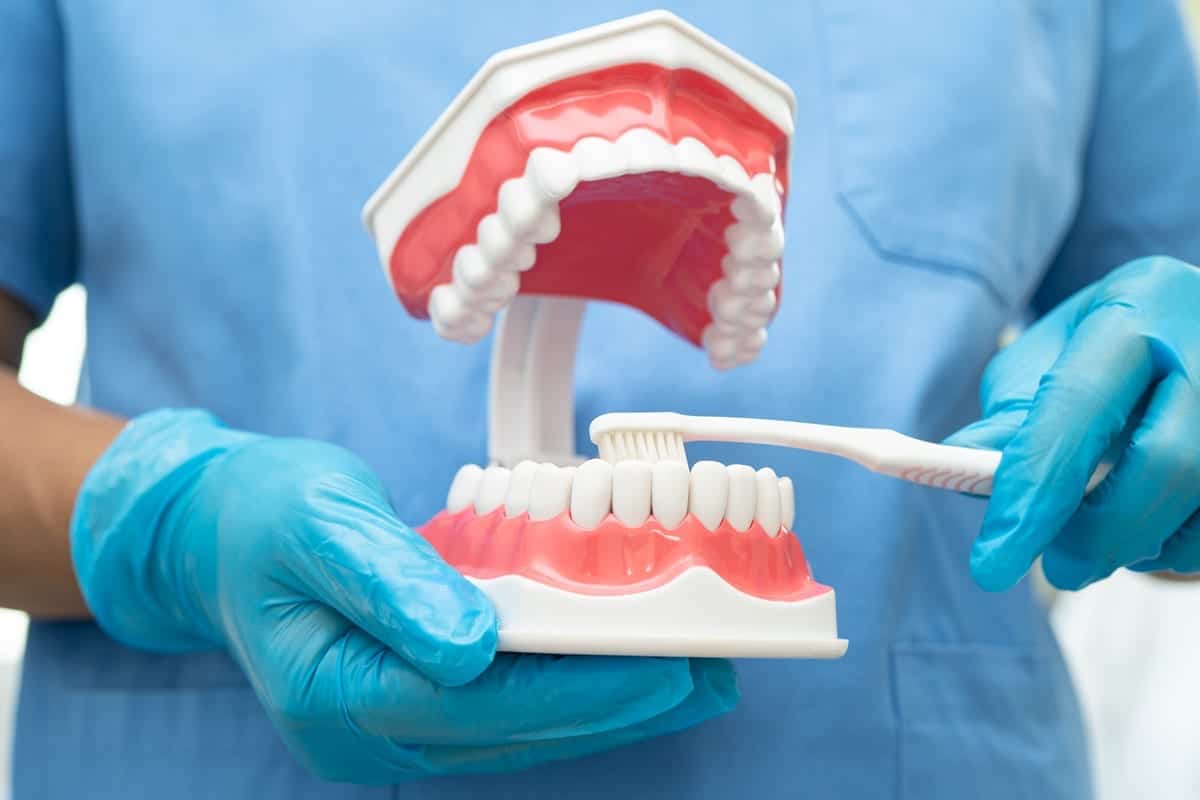
Use a soft-bristle toothbrush and angle it at 45 degrees toward the gumline. Brush gently in small circular motions around the crown twice a day. Flossing is equally important — slide the floss down to the margin without snapping it. Curve the floss in a C-shape and glide it gently below the gumline on both sides.
- Brush twice daily with a soft-bristle toothbrush
- Angle bristles toward the gumline at 45 degrees
- Floss daily and curve floss around each side of the crown
- Use an antimicrobial mouthwash to reduce bacterial buildup
- Consider a water flosser for hard-to-reach areas
Skipping this step is one of the fastest ways to end up needing a replacement crown. Think of the margin as the seal on a container — once it breaks down, trouble gets in.
Mistake 2: Eating the Wrong Foods After Placement
Right after your crown is placed, certain foods can loosen or even dislodge it. Even after the crown fully settles, some habits can shorten its lifespan significantly. Sticky and hard foods are the biggest offenders. They place uneven stress on the crown and the cement holding it in place.
Here are foods to avoid or limit with a dental crown:
- Sticky candies like caramel, taffy, or gummy bears
- Hard foods like ice, hard pretzels, or crusty bread
- Chewy foods like beef jerky or bagels
- Chewing on pens, fingernails, or non-food objects
- Crunching popcorn kernels or hard seeds
During the first 24 to 48 hours after crown placement, stick to soft foods like yogurt, mashed potatoes, and scrambled eggs. After that, use your common sense. If a food feels like it could pull or crack your crown, avoid it. Your crown is strong — but it is not indestructible.
Mistake 3: Skipping a Night Guard If You Grind Your Teeth
Bruxism — grinding or clenching your teeth at night — is one of the leading causes of crown damage. Many Berwyn patients have no idea they grind until their dentist spots the wear patterns. Grinding puts tremendous force on crowns, especially those on back molars. Over time, this can crack, chip, or wear down even the sturdiest crown.
A custom night guard from Berwyn Dental Connection creates a protective barrier between your upper and lower teeth. It absorbs the pressure from grinding before it reaches your crown. Store-bought night guards exist, but they rarely fit well enough to protect effectively. A custom-fitted guard from Dr. Lares offers far superior protection and comfort.
If you wake up with jaw soreness, headaches, or tooth sensitivity, these are signs you may be grinding. Mention these symptoms at your next visit. Protecting your crown with a night guard is one of the smartest investments you can make. It can add years of life to your restoration.
Mistake 4: Assuming Your Crown Cannot Get Cavities
This is one of the most common misconceptions patients have about crowns. The crown material itself — whether porcelain or ceramic — cannot decay. However, the natural tooth underneath the crown absolutely can. Bacteria can sneak under the crown at the margin and cause decay in the tooth root or the remaining tooth structure beneath.
This is why keeping the margin clean is so critical, as mentioned earlier. It is also why regular checkups with Dr. Olivia Lares in Berwyn matter so much. X-rays during your routine visits can detect decay under a crown before it becomes a bigger problem. Early detection can save you from needing a root canal or a full replacement.
If you want to explore more dental terminology and better understand your treatment, visit our Dental Dictionary for easy-to-read explanations. You can also browse terms starting with A to find entries like