Dental bonding is one of the most versatile and affordable cosmetic treatments available today. Many patients in Berwyn, IL choose it to fix chipped, stained, or uneven teeth. But bonding does require care to stay looking its best. This guide will help you keep your dental bonding looking perfect with a maintenance plan built for long-term results in Berwyn.
What Is Dental Bonding and Why Does Maintenance Matter?
Dental bonding uses a tooth-colored composite resin applied directly to your tooth surface. Dr. Olivia Lares at Berwyn Dental Connection shapes and polishes the resin to blend seamlessly with your natural teeth. The result looks beautiful — but composite resin is not as strong as your natural enamel. Without proper care, bonding can chip, stain, or wear down prematurely.
Bonding typically lasts between three and ten years. That wide range depends almost entirely on how well you maintain it. The good news is that simple daily habits make a significant difference. Understanding what affects bonding helps you protect your investment for years to come.
Daily Habits That Help Keep Your Dental Bonding Looking Perfect
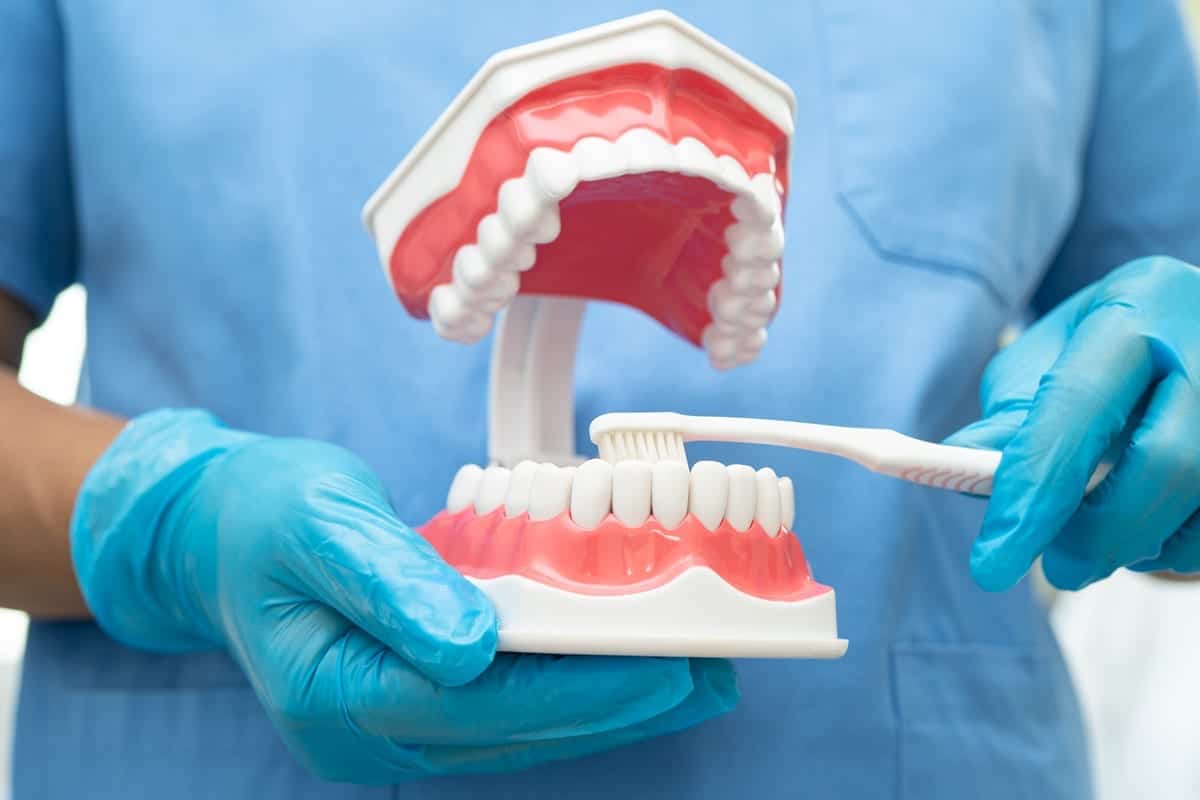
Good oral hygiene is the foundation of long-lasting bonding. Brush your teeth twice daily using a soft-bristled toothbrush. Hard bristles can scratch the resin surface and cause it to look dull over time. Use a non-abrasive fluoride toothpaste for best results.
Flossing is equally important. Plaque buildup around bonded teeth can lead to decay at the edges of the resin. Floss gently once a day to keep those margins clean. A water flosser is another excellent option for bonded areas.
Here are key daily habits to protect your bonding long-term:
- Brush gently with a soft-bristled toothbrush twice daily
- Use non-abrasive, fluoride-based toothpaste
- Floss carefully around bonded teeth every day
- Rinse with an alcohol-free mouthwash to avoid drying the resin
- Stay hydrated to support healthy saliva production
Alcohol-based mouthwashes can weaken composite resin over time. Choose an alcohol-free formula instead. These small daily choices add up to years of better-looking bonding.
What to Avoid to Protect Your Bonding in Berwyn
Certain habits are especially damaging to bonded teeth. Biting your nails, chewing on pens, or using your teeth as tools puts unnecessary stress on the resin. Even one forceful bite on a hard object can cause a chip. Treat your bonded teeth with the same care you would give a fragile surface.
Food and drink choices also matter. Some items stain composite resin much faster than natural enamel. Coffee, tea, red wine, and dark berries are common culprits. If you do consume them, rinse your mouth with water immediately afterward.
Avoid these habits to keep bonding in great condition:
- Do not chew ice, hard candy, or popcorn kernels
- Avoid biting fingernails or hard objects like pens
- Limit coffee, tea, red wine, and dark-pigmented foods
- Do not use your teeth to open packaging or bottles
- Quit smoking or using tobacco — it stains resin quickly
Smoking and tobacco products are particularly harmful. They stain composite resin deeply and are very difficult to reverse. Cutting tobacco use protects your bonding and your overall oral health.
When to See Dr. Lares for Bonding Maintenance Visits
Regular dental checkups are essential to keeping your bonding in top shape. Dr. Olivia Lares recommends visiting Berwyn Dental Connection every six months for a routine cleaning and exam. During these visits, the team checks your bonding for chips, staining, or wear at the margins. Catching small issues early prevents bigger problems later.
Professional polishing during your cleaning visit helps restore the shine to composite resin. Dental hygienists use special tools and polish that are safe for bonded surfaces. This keeps your bonding looking freshly placed for longer. Ask our team specifically about bonding-safe polishing at your next visit.
If you ever notice a rough edge, a change in bite, or visible chipping, do not wait until your next scheduled visit. Contact Berwyn Dental Connection right away. Early repairs are simpler, faster, and less costly than waiting for damage to worsen.
In some cases, patients experience dental emergencies involving their bonded teeth. A sudden chip or trauma to the mouth may require prompt attention. Our team offers Emergency Dentistry Berwyn services to address urgent dental needs quickly. Getting prompt care protects both the bonding and the underlying tooth structure.
How Bonding Fits Into Your Broader Dental Health Plan
Dental bonding works best as part of a complete oral health strategy. Bonded teeth still need the same foundational care as all your other teeth. Neglecting overall oral hygiene can lead to decay or gum disease that undermines even the best cosmetic work. Think of bonding as one piece of a larger puzzle.
Sometimes patients who have bonding also need other restorative treatments over time. If decay reaches the inner pulp of a tooth, you may need a Root Canal Therapy Berwyn procedure to save the tooth. Staying on top of checkups helps identify any such issues before they escalate. Early intervention always leads to better outcomes.
Wearing a night guard is another smart addition if you grind your teeth. Bruxism — nighttime teeth grinding — is one of the fastest ways to destroy bonding. Dr. Lares can evaluate your bite and recommend a custom guard if needed. This simple device can dramatically extend the life of your bonding.
Frequently Asked Questions
How long does dental bonding typically last?
Dental bonding generally lasts between three and ten years. The lifespan depends on your oral habits, diet, and how well you maintain the bonding with regular dental visits. Patients who follow good home care routines and avoid damaging habits often enjoy bonding toward the longer end of that range.
Can dental bonding be whitened if it stains?
Composite resin does not respond to traditional teeth whitening treatments the way natural enamel does. If your bonding becomes stained, Dr. Lares may recommend professional polishing or replacing the bonding material. It is best to whiten your natural teeth before getting bonding so the resin can be matched to your desired shade.
Is dental bonding a good option for front teeth?
Yes, dental bonding is a popular and effective option for front teeth. It can correct chips, gaps, discoloration, and minor shape issues. Since front teeth experience less biting pressure than molars, bonding in this area tends to last well when properly maintained.
What should I do if my bonding chips?
Contact Berwyn Dental Connection as soon as possible if your bonding chips. In most cases, Dr. Lares can repair or replace the bonding in a single visit. Do not ignore a chip, as rough edges can irritate your tongue or cheek and the exposed area may be more vulnerable to staining or damage.
Does bonding require any special toothpaste?
You should use a non-abrasive, fluoride toothpaste on bonded teeth. Avoid whitening toothpastes that contain harsh abrasives, as these can scratch and dull the composite resin surface over time. Ask Dr. Lares for specific product recommendations at your next visit.
At Berwyn Dental Connection, Dr. Olivia Lares and our friendly team are here to help you protect your smile for the long term. Whether you need a routine bonding checkup or have questions about your cosmetic dental work, we are always happy to help. Book Now to schedule your appointment with our team.