Many Berwyn patients ask about veneers — and for good reason. They can transform a smile quickly and dramatically. But understanding what veneers actually fix in Berwyn, and what they can’t, helps you make a confident, informed decision. At Berwyn Dental Connection, Dr. Olivia Lares believes education comes first. This guide breaks down exactly what veneers do, what they cover, and when another treatment may serve you better.
What Are Dental Veneers?
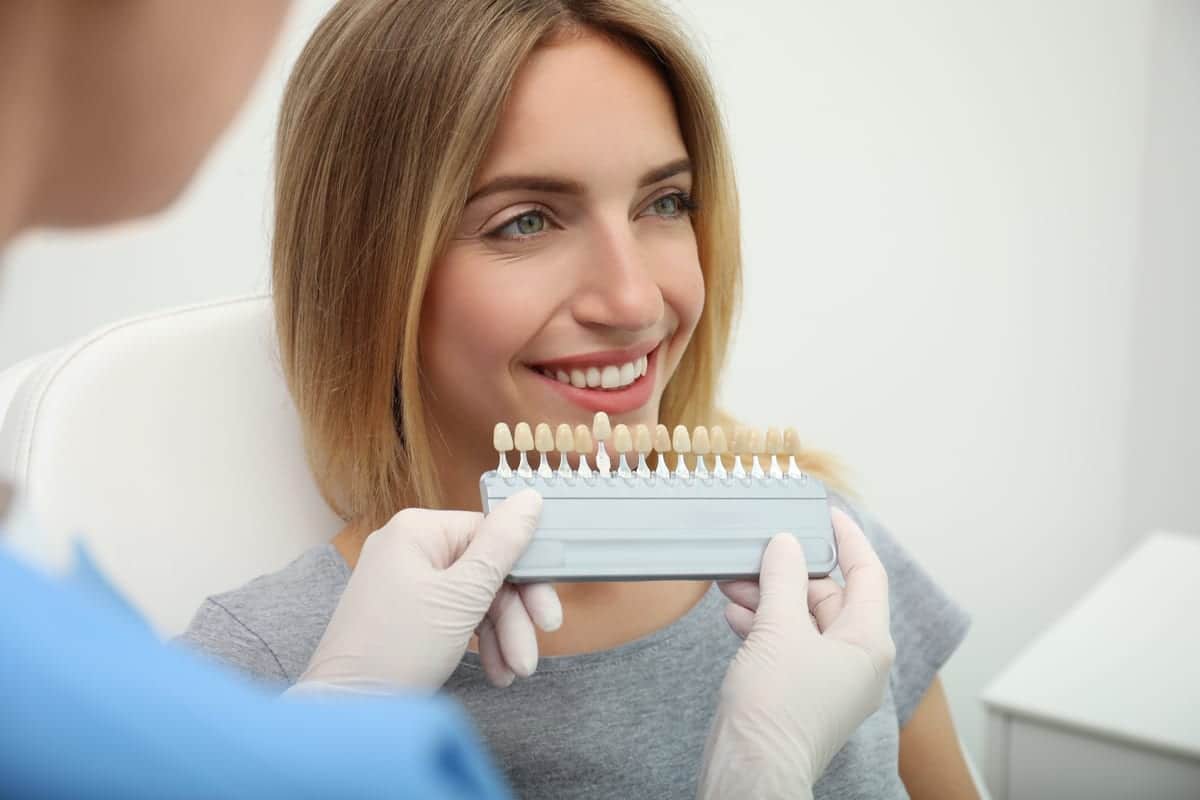
Veneers are thin, custom-made shells bonded to the front surface of your teeth. They are typically made from porcelain or composite resin. Each shell is designed to match the shape, size, and color of your natural teeth.
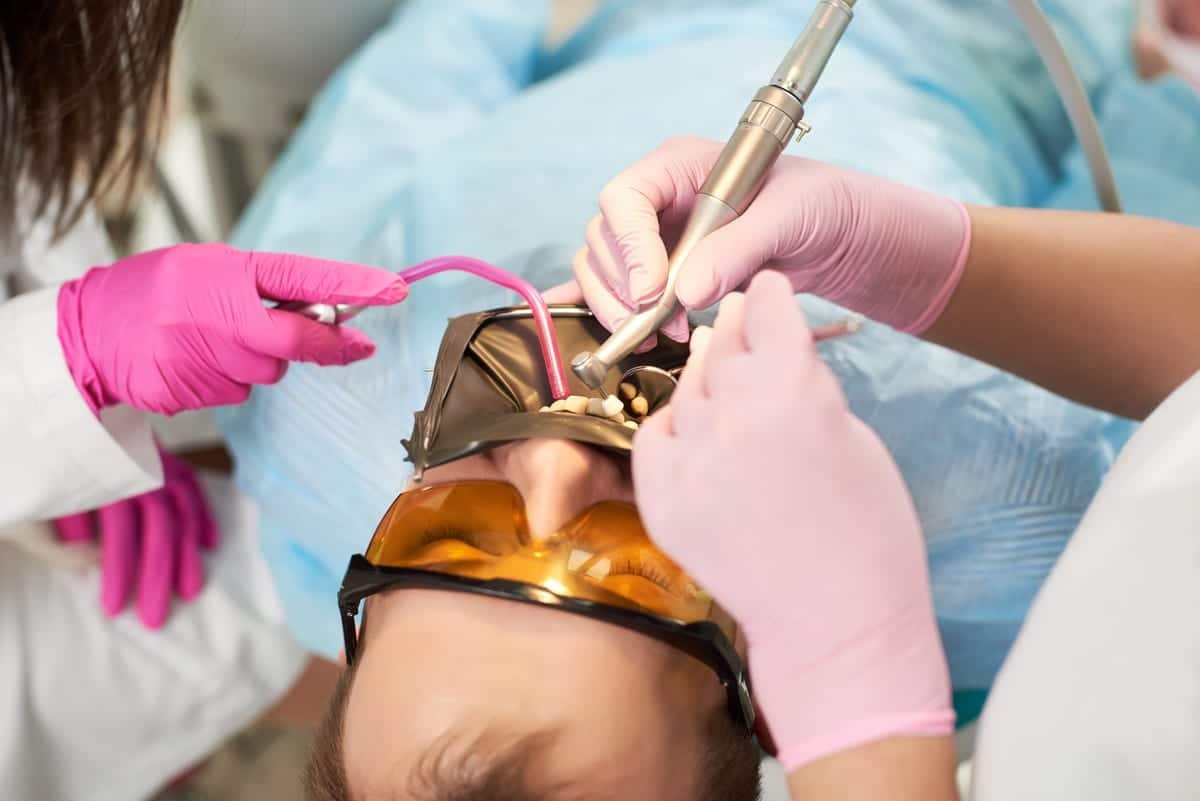
The process usually takes two to three appointments. Dr. Lares removes a small amount of enamel first. This creates a secure surface for the veneer to bond properly. Once placed, veneers look and feel like natural teeth.
Porcelain veneers are the most popular choice. They resist staining and mimic the light-reflecting properties of natural enamel. Composite veneers cost less but may not last as long.
What Veneers Actually Fix in Berwyn
Veneers address a wide range of cosmetic dental concerns. They are especially effective when multiple issues appear on the same tooth. Here is a closer look at what they can correct.
- Discoloration: Teeth that do not respond to whitening — such as those stained by tetracycline — are ideal candidates.
- Chips and cracks: Minor chips on front teeth are easily concealed with a well-fitted veneer.
- Uneven or worn teeth: Veneers restore length and shape to teeth worn down over time.
- Small gaps: Minor spacing between teeth can close without braces or aligners.
- Slightly crooked teeth: Veneers can create the appearance of straighter teeth in mild cases.
- Misshapen teeth: Teeth that are too small or oddly shaped blend in seamlessly after veneers are placed.
These fixes are largely cosmetic. Veneers improve how teeth look — not how they function structurally. That distinction matters a great deal when choosing treatment.
What Veneers Cannot Fix
Veneers have real limitations. Knowing them protects you from investing in a treatment that won’t solve your problem. Here are common issues veneers cannot address.
- Severe tooth decay: A decayed tooth needs restorative treatment before any cosmetic work.
- Significant misalignment: Veneers mask minor crookedness. Moderate to severe cases need Invisalign or orthodontic treatment instead.
- Gum disease: Active gum disease must be fully treated before veneers can be placed.
- Severely damaged teeth: A tooth that is broken down significantly may need a dental crown instead.
- Tooth grinding (bruxism): Grinding puts excessive force on veneers and can crack them quickly.
- Missing teeth: Veneers only work on existing teeth. Missing teeth require bridges, implants, or dentures.
A thorough exam with Dr. Lares determines whether your concerns are cosmetic or structural. That evaluation is the most important step before any treatment decision.
When Other Treatments Work Better in Berwyn
Sometimes a patient arrives hoping for veneers but actually needs something different. Dr. Lares will always recommend the most appropriate treatment — not the most expensive one. Here are a few common scenarios.
If a tooth has significant internal damage, a dental crown provides full coverage and structural support. Crowns protect the entire tooth, not just the front surface. Veneers simply cannot do that job.
If a tooth has an infected root, it needs treatment before anything cosmetic happens. Root Canal Therapy Berwyn clears the infection and saves the tooth. Only after healing can cosmetic options like veneers be discussed.
If a dental emergency brings you in — a knocked-out tooth or severe pain — cosmetic goals pause temporarily. Emergency Dentistry Berwyn focuses on stabilizing your oral health first. Cosmetic improvements follow once the urgent issue is resolved.
Understanding this sequence protects your investment. Placing veneers on an unhealthy tooth leads to failure and added cost later.
Are Veneers Right for You? Key Questions to Ask
Veneers work best for patients with healthy teeth and gums who want a cosmetic upgrade. They are a long-term commitment. A small amount of enamel is removed permanently, so the decision deserves careful thought.
Ask yourself these questions before your consultation:
- Are my concerns primarily cosmetic, or do my teeth have structural problems?
- Do I grind my teeth at night?
- Am I happy with how my teeth function — just not how they look?
- Am I ready to commit to proper maintenance and regular checkups?
If you answered yes to the last question and no to the others, you may be an excellent candidate. Dr. Lares will confirm this during your exam and discuss all your options openly.
Veneers can last 10 to 20 years with proper care. Good oral hygiene, regular cleanings, and avoiding habits like nail-biting extend their lifespan significantly.
Conclusion: Making a Smart Smile Decision in Berwyn
Veneers are one of the most effective cosmetic tools in modern dentistry. They fix discoloration, chips, gaps, and minor misalignment beautifully. But they are not a solution for decay, gum disease, structural damage, or missing teeth. Knowing what veneers actually fix — and what they can’t — in Berwyn helps you walk into your consultation with realistic expectations and the right questions. Dr. Olivia Lares and the team at Berwyn Dental Connection are here to guide you honestly and help you choose the treatment that truly fits your needs. Book Now to schedule your appointment with our team.
Frequently Asked Questions
How long do dental veneers last?
Porcelain veneers typically last between 10 and 20 years. Composite veneers generally last 5 to 7 years. Proper oral hygiene and regular dental visits help extend their lifespan significantly.
Do veneers require removing a lot of tooth enamel?
No. The amount removed is minimal — usually less than a millimeter. However, the process is irreversible, so the decision to get veneers is a permanent one.
Can veneers fix severely crooked teeth?
Veneers can improve the appearance of mildly crooked teeth. For moderate to severe misalignment, Dr. Lares may recommend Invisalign or another orthodontic approach instead.
Will veneers look natural?
Yes. Porcelain veneers are custom-designed to match your surrounding teeth in color, shape, and size. They reflect light similarly to natural enamel, so they blend in seamlessly.
What happens if a veneer chips or cracks?
Porcelain veneers cannot be repaired if they chip or crack — they must be replaced. Composite veneers can sometimes be repaired chairside. Avoiding hard foods and treating bruxism helps prevent damage.