Your dental crown won’t last forever — and knowing what damages it in Berwyn can save you time, discomfort, and money. Dental crowns are strong and durable, but they are not indestructible. Understanding what shortens a crown’s lifespan helps you protect your investment. At Berwyn Dental Connection, Dr. Olivia Lares helps patients keep their crowns in excellent shape for as long as possible.
How Long Do Dental Crowns Actually Last?
Most dental crowns last between 10 and 15 years with proper care. Some crowns last 20 years or more when patients follow good oral hygiene habits. Others fail much sooner due to daily habits and lifestyle factors. The material of your crown also plays a big role in its longevity.
Porcelain crowns look natural but can chip under heavy bite pressure. Metal crowns are incredibly durable but less common for visible teeth. Porcelain-fused-to-metal crowns offer a balance of strength and aesthetics. Your dentist will recommend the best material based on your specific needs.
Want to learn more dental terms? Visit our Dental Dictionary for easy-to-understand definitions of crown materials and procedures.
What Damages a Dental Crown in Berwyn?
Several habits and conditions can significantly shorten your crown’s lifespan. Being aware of these risks lets you take action early. Dr. Lares often sees preventable crown damage in Berwyn patients. Here are the most common culprits:
- Teeth grinding (bruxism): Grinding places enormous pressure on crowns, wearing them down over time.
- Chewing hard foods: Ice, hard candies, and popcorn kernels can crack or chip a crown.
- Using teeth as tools: Opening packages or biting fingernails stresses the crown unnecessarily.
- Poor oral hygiene: Plaque buildup at the crown’s base can cause decay in the underlying tooth.
- Sticky or chewy foods: Caramel and chewing gum can loosen crown cement over time.
- Acidic beverages: Frequent soda or citrus consumption can erode the crown’s surface.
Bruxism is one of the leading causes of premature crown failure. Many people grind their teeth at night without realizing it. Dr. Lares can fit you with a custom nightguard to protect your crown while you sleep. This simple device can add years to your crown’s life.
Signs Your Crown May Need Replacing
Crowns do not always fail dramatically. Sometimes the warning signs are subtle and easy to miss. Catching problems early prevents more serious damage to the underlying tooth. Watch for these signs and contact your dentist promptly.
- Pain or sensitivity: Discomfort when biting or drinking hot and cold beverages.
- Visible cracks or chips: Any visible damage to the crown surface needs evaluation.
- Crown feels loose: A crown that shifts or wobbles has lost its seal.
- Dark line at the gum: This can indicate an old metal crown or receding gum tissue.
- Recurrent decay: Decay under a crown means the tooth structure is compromised.
- Crown feels different when biting: Changes in bite alignment often signal crown wear.
Pain or sensitivity around a crowned tooth should never be ignored. It may indicate decay beneath the crown or a cracked tooth structure. Schedule a visit with Dr. Lares as soon as you notice discomfort. Early intervention almost always leads to a better outcome.
How to Extend the Life of Your Dental Crown
Good habits go a long way in protecting your dental crown. A consistent oral hygiene routine is the foundation of crown care. Berwyn patients who follow these steps tend to get the most from their crowns. Small daily changes make a big difference over years of use.
Brush twice daily with a soft-bristled toothbrush. Use a non-abrasive toothpaste that won’t scratch your crown’s surface. Floss gently around the base of the crown every day. This removes plaque before it hardens into tartar and causes decay.
Avoid habits that put unnecessary stress on your crown. Do not chew ice, hard candies, or extremely crunchy foods. Cut hard fruits and vegetables into smaller pieces before eating. These steps protect both your crown and your natural teeth.
Regular dental checkups are equally important. Dr. Lares checks the condition of your crown at every visit. She looks for early signs of wear, cracking, or loosening. Catching a problem early often means a simpler, less costly fix.
If you grind your teeth, a nightguard is a worthwhile investment. Explore our A dental terms page to learn more about appliances that protect your smile. Protective devices are custom-fitted for comfort and maximum effectiveness.
When a Crown Fails: Your Options at Berwyn Dental Connection
Even with excellent care, crowns eventually wear out. When that happens, you have several options available. Dr. Lares will assess the condition of the underlying tooth first. Then she will recommend the most appropriate treatment plan.
A simple replacement crown is often the best solution. The original crown is removed, the tooth is re-prepared, and a new crown is placed. This restores full function and appearance. Modern crowns are more durable and natural-looking than ever before.
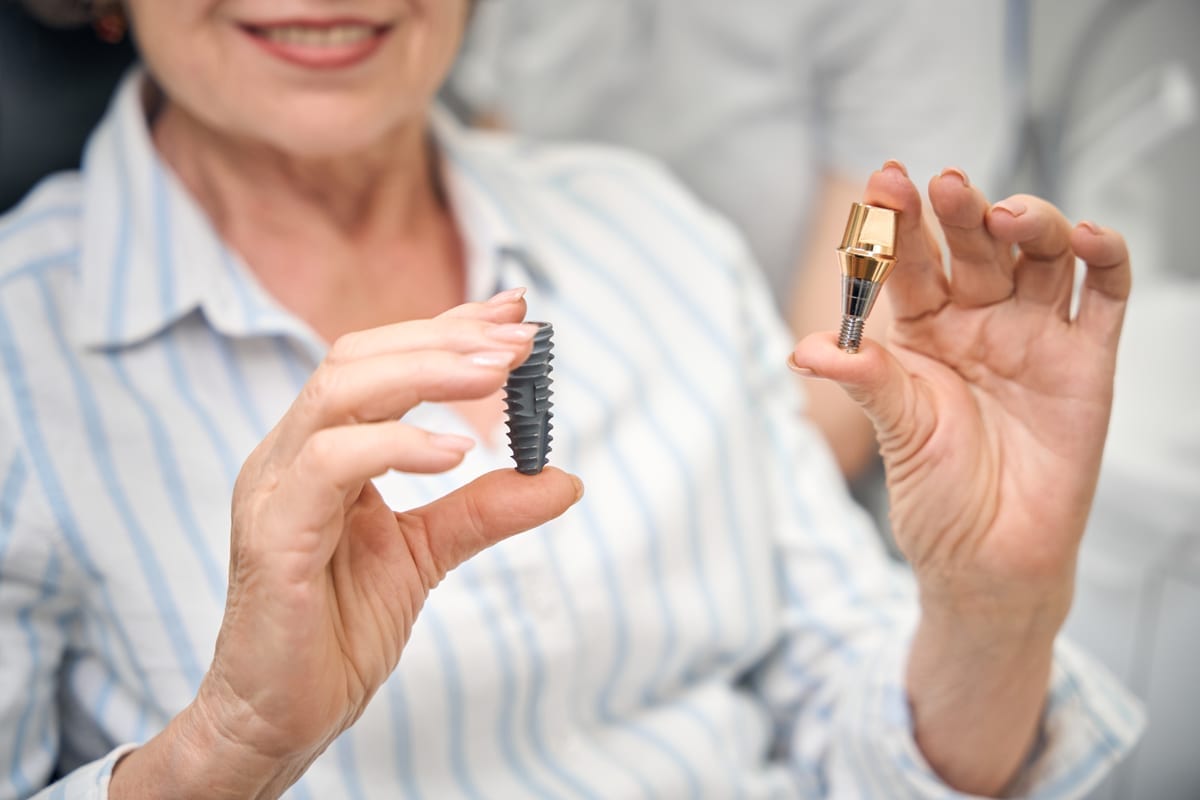
In some cases, the tooth beneath the crown may require additional treatment. Significant decay may call for root canal treatment before a new crown is placed. If the tooth is too damaged to save, a dental bridge or implant may be a better long-term option. Dr. Lares will walk you through every option clearly and compassionately.
Protecting Your Smile Is Always Worth It
Your dental crown is a significant part of your oral health. Treating it with care protects not just the crown, but the tooth underneath. Berwyn patients who understand the risks are far better equipped to avoid them. Knowledge truly is the best form of prevention.
Dr. Olivia Lares and the team at Berwyn Dental Connection are here to help you at every stage of your crown’s life. Whether you need a new crown, a replacement, or just a routine checkup, we are ready to help. Do not wait until a problem becomes a dental emergency. Book Now to schedule your appointment with our team.
Frequently Asked Questions
How long does a dental crown typically last?
Most dental crowns last between 10 and 15 years. With excellent oral hygiene and regular dental visits, some crowns can last 20 years or more. The material of the crown and your daily habits both affect longevity significantly.
Can a dental crown crack or break?
Yes, dental crowns can crack or break, especially under excessive pressure. Chewing on hard foods, teeth grinding, and using your teeth as tools all increase the risk of crown damage. If your crown chips or cracks, contact your dentist promptly to prevent further complications.
What happens if decay develops under a crown?
Decay can develop at the margin where the crown meets the tooth if oral hygiene is neglected. This compromises the tooth structure beneath the crown. Treatment may involve removing the crown, addressing the decay, and placing a new crown — or in serious cases, root canal therapy.
Does teeth grinding really damage dental crowns?
Absolutely. Bruxism, or teeth grinding, places extreme force on dental crowns over time. This accelerates wear and can cause cracking or loosening. A custom nightguard can protect your crown and significantly extend its lifespan.
When should I visit my dentist about my crown?
You should see your dentist if you notice pain, sensitivity, a loose feeling, visible damage, or changes in your bite. Even without symptoms, regular checkups allow your dentist to catch early signs of crown wear or failure before they become serious problems.